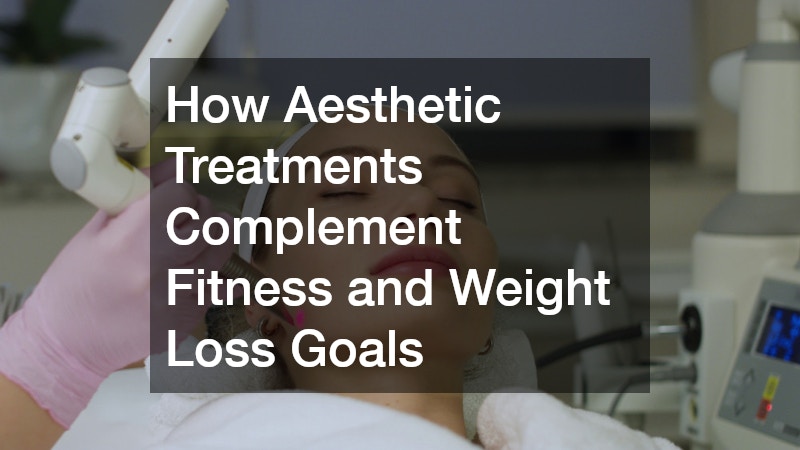
Fitness and weight loss journeys are often framed as purely physical transformations, but in practice, they also involve emotional, psychological, and aesthetic changes. As the body evolves through exercise, nutrition, and lifestyle improvements, many people notice that their appearance and self-perception shift in ways they may not have anticipated. This is where aesthetic treatments can play a supportive role—not as shortcuts, but as complementary tools that help individuals feel more confident while they work toward long-term health goals.
Combining fitness efforts with aesthetic care is not about replacing discipline in the gym or consistency in nutrition. Instead, it is about addressing the full spectrum of transformation: body composition, skin quality, facial appearance, and confidence. When these elements are aligned, people are often more motivated to maintain their routines and sustain healthier habits over time.
This article explores how aesthetic treatments and structured fitness strategies can work together to support sustainable weight loss, improved body composition, and enhanced self-image.
Supporting Facial Confidence During Physical Transformation
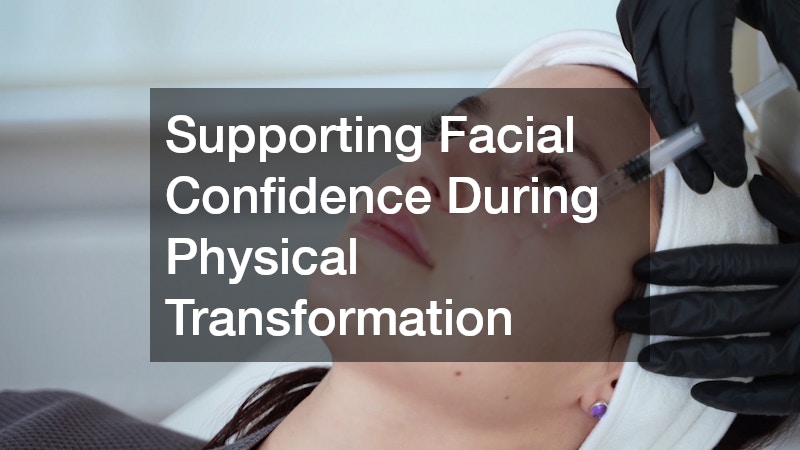
Many people focus heavily on body weight changes during a fitness journey, but facial appearance often shifts as well. As fat is lost, facial volume can decrease, sometimes creating a more tired or aged appearance even when overall health is improving. This can be discouraging for individuals who expect weight loss to automatically result in a more youthful or energized look.
A Botox service is one option people consider during this phase of transformation. It is often used to soften the appearance of dynamic facial lines that can become more noticeable as facial fat diminishes. While it does not change structure, it can help create a more relaxed and refreshed appearance that aligns with how individuals feel internally after improving their health.
Common reasons individuals explore facial aesthetic support during fitness journeys include:
- Addressing expression lines that appear more pronounced after weight loss
- Maintaining a balanced and rested facial appearance during body changes
- Supporting confidence in professional and social settings
- Aligning external appearance with internal improvements in health and discipline
Some individuals also consider Botox injections as part of a broader self-care approach during weight loss. When used responsibly and under professional guidance, these treatments are typically integrated at key milestones rather than used continuously.
Practical considerations when combining facial treatments with fitness goals:
- Time treatments during stable phases of weight loss, rather than rapid change periods
- Avoid scheduling procedures immediately before intense training cycles
- Focus on subtle enhancements rather than dramatic alterations
- Use aesthetic treatments as a confidence support tool, not a replacement for lifestyle change
When used thoughtfully, facial treatments can help individuals feel more aligned with their progress, especially during stages where physical changes are still adapting.
Improving Skin Quality While the Body Changes
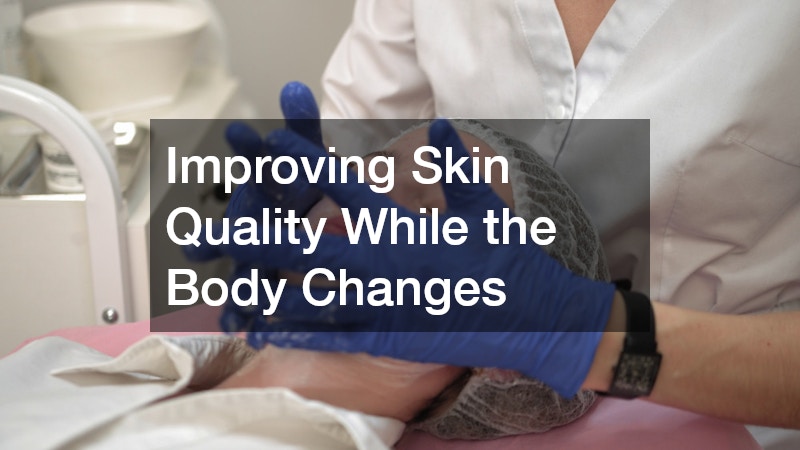
As weight loss progresses, the skin often undergoes noticeable changes. These can include reduced elasticity, uneven tone, or temporary dullness due to shifts in hydration, fat distribution, and collagen support. While exercise and nutrition improve overall health, they do not always address surface-level skin concerns.
A laser treatment is commonly used to support skin rejuvenation during or after weight loss. These treatments can help improve tone, reduce the appearance of minor imperfections, and support collagen production, which becomes increasingly important as the body adjusts to a lower weight.
Benefits often associated with laser-based skin support include:
- Improved skin texture and smoothness
- More even skin tone and reduced discoloration
- Support for collagen regeneration
- Enhanced overall skin clarity during body transformation
In addition to more advanced procedures, facials play a supportive role in maintaining skin health throughout a fitness journey. While they are less intensive than laser-based treatments, they help maintain hydration, cleanse pores, and improve circulation—especially important when exercise routines increase sweat production and skin exposure to environmental factors.
Ways facials complement fitness and weight loss routines:
- Helping remove sweat, oil, and buildup from frequent workouts
- Supporting hydration balance during calorie-controlled diets
- Providing relaxation and stress relief, which supports hormonal balance
- Maintaining consistent skin maintenance during rapid body changes
For best results, individuals often space skin treatments around workout schedules. For example, avoiding intense exfoliation immediately before high-intensity training can prevent irritation, while post-workout facials can help reset the skin after heavy perspiration.
Maintaining skin health during transformation ensures that external appearance keeps pace with internal improvements, reinforcing motivation throughout the journey.
Enhancing Body Contours and Managing Appearance Changes
Weight loss does not always produce evenly distributed results. Some individuals lose fat in areas they prefer to maintain fullness in, while others may experience disproportionate changes that affect overall body symmetry. This is where aesthetic treatments can sometimes play a complementary role in refining appearance outcomes.
Injectable fillers are sometimes used to restore or enhance volume in specific areas after weight loss. These treatments are typically considered when individuals want to balance facial or body proportions that have shifted significantly during their transformation.
Common considerations for contour-related aesthetic support include:
- Restoring facial balance after significant fat loss
- Addressing asymmetry caused by uneven weight reduction
- Enhancing natural features rather than creating artificial changes
- Supporting confidence in the final stages of transformation
At the same time, structured weight loss services provide foundational support for individuals who want medically guided assistance during their journey. These services are typically designed to ensure that weight reduction occurs safely and sustainably.
A well-structured program may include:
- Nutritional planning tailored to individual metabolism
- Medical oversight to monitor progress and health markers
- Behavioral support for long-term habit formation
- Regular assessments to track progress and adjust plans
When integrated properly, these services ensure that aesthetic treatments are not compensating for unhealthy practices but instead complementing a structured and medically supervised transformation.
Practical integration strategies include:
- Prioritizing weight stability before undergoing enhancement procedures
- Using medical guidance to determine the appropriate timing for aesthetic treatments
- Avoiding rapid or extreme body changes that complicate aesthetic planning
- Focusing on gradual, sustainable transformation for better long-term results
By combining internal health improvements with external refinement, individuals can achieve more balanced and satisfying outcomes.
Building a Structured Foundation for Sustainable Weight Loss
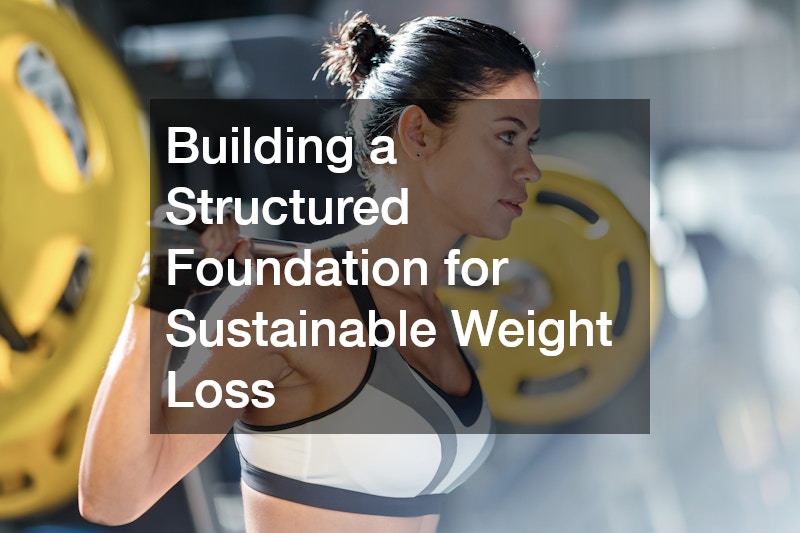
Long-term transformation is most successful when it is supported by structured systems rather than short-term efforts. While fitness and diet are essential, some individuals benefit from additional guidance, especially when dealing with metabolic challenges or inconsistent results.
A medical weight loss approach provides a more structured and clinically supervised path to weight reduction. These programs often include personalized evaluations that take into account hormones, metabolism, and lifestyle factors that influence progress.
Key benefits often include:
- Personalized treatment plans based on health metrics
- Professional monitoring to ensure safe progression
- Support for individuals who struggle with traditional dieting
- Integration of medical insights with lifestyle adjustments
A weight loss clinic typically serves as the environment where these structured programs are delivered. These clinics often provide multidisciplinary support that may include medical professionals, nutrition experts, and behavioral coaches working together.
Advantages of clinic-based support include:
- Access to comprehensive health evaluations
- Coordinated care across multiple disciplines
- Structured accountability systems
- Adjustments based on real-time progress data
For individuals balancing fitness and aesthetic goals, this type of support helps ensure that weight loss is not only effective but also stable enough to support cosmetic enhancements when appropriate.
Practical guidance for choosing structured support systems:
- Evaluate provider qualifications and medical oversight
- Understand what services are included in the program
- Ensure alignment with long-term lifestyle goals
- Avoid programs that rely solely on rapid weight loss claims
When combined with aesthetic treatments, structured weight loss systems provide the stability needed for sustainable transformation rather than short-term change.
Integrating Fitness Training With Appearance Goals
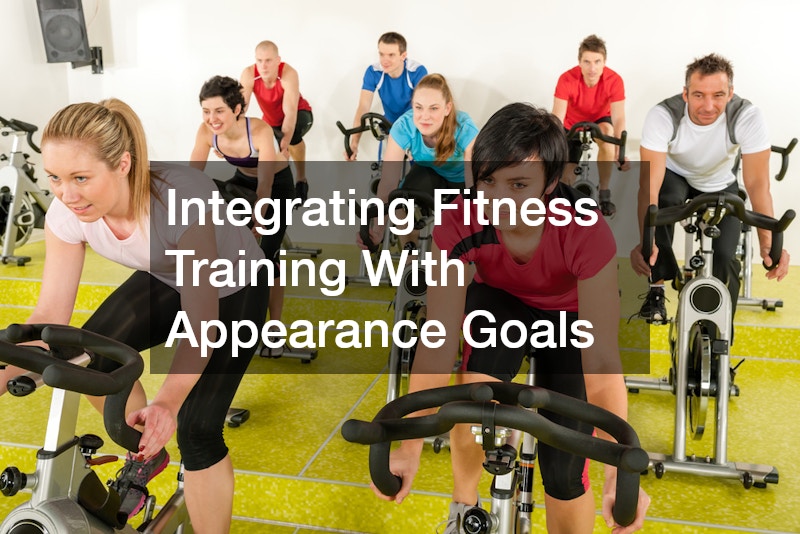
Physical exercise remains the foundation of any successful transformation. While aesthetic treatments can enhance appearance, they do not replace the benefits of consistent movement, strength development, and cardiovascular health. Instead, fitness provides the internal structure that supports all external improvements. Over time, consistent training reshapes not just the body, but also discipline, resilience, and long-term behavioral habits that make results more sustainable.
A gym membership is often the starting point for individuals committed to long-term change. Having consistent access to equipment, classes, and training environments increases adherence and helps build routine. The environment itself plays a psychological role—being in a space dedicated to exercise reduces friction and decision fatigue, making it easier to stay consistent even on low-motivation days.
Beyond convenience, structured access also introduces variety. Many gyms offer:
- Strength training equipment for progressive overload
- Cardio machines for endurance and fat-loss support
- Group classes that increase accountability
- Personal training options for guided progression
This combination helps individuals avoid plateaus and keeps routines engaging enough to sustain long-term commitment.
Benefits of maintaining a consistent gym routine include:
- Improved muscle tone and body composition, as regular resistance training encourages lean muscle development while reducing fat over time
- Increased metabolic efficiency, since muscle tissue requires more energy at rest, supporting long-term weight management
- Better posture and physical alignment, especially when training includes core strengthening and balanced movement patterns
- Enhanced energy levels and mood stability due to improved circulation, hormone regulation, and endorphin release
These changes are not purely aesthetic—they directly influence how the body functions on a daily basis, making other transformation efforts more effective.
Beyond access, fitness training plays a critical role in shaping how the body responds to weight loss. Strength training, in particular, helps preserve lean muscle mass, which contributes to a more defined and balanced appearance. Without resistance training, weight loss can sometimes lead to a “softer” appearance, as both fat and muscle may be reduced simultaneously.
Strength-focused training helps:
- Maintain muscle density during calorie deficits
- Improve body shape and contour rather than just scale weight
- Support joint health and long-term mobility
- Increase physical strength for everyday activities
Fitness training also complements aesthetic goals by:
- Supporting skin health through improved circulation, which helps deliver nutrients more efficiently to skin tissues and promotes a healthier appearance
- Enhancing body symmetry and proportion by developing balanced muscle groups rather than uneven fat distribution
- Reducing stress, which can influence skin and aging by lowering cortisol levels that contribute to inflammation and breakouts
- Improving recovery after aesthetic procedures by promoting blood flow and overall physical resilience
This connection between internal health and external appearance is often underestimated. Individuals who train consistently tend to experience more stable results from aesthetic treatments because their bodies are already functioning at a higher baseline of circulation, muscle tone, and metabolic balance.
To optimize results, individuals should consider how their workouts interact with aesthetic treatments. For example, scheduling intense training sessions away from treatment recovery periods can help reduce irritation and maximize outcomes. High-intensity workouts immediately after certain procedures may increase swelling, sensitivity, or discomfort, depending on the treatment type.
It can also be helpful to adjust training intensity based on recovery stages:
- Light movement (walking, stretching) immediately after treatments
- Moderate workouts once initial sensitivity decreases
- Full intensity training after professional clearance or recovery completion
Practical fitness integration strategies:
- Choose a gym membership that supports consistency and accessibility, ideally located near home or work, to reduce barriers to attendance.
- Focus on strength training to support body composition goals, prioritizing compound movements that engage multiple muscle groups.
- Incorporate recovery days to support both fitness and aesthetic outcomes, ensuring the body has time to repair and adapt.
- Align workout schedules with treatment timelines when possible to avoid overlapping recovery stress and maximize results from both efforts.
By maintaining consistent fitness training, individuals create a strong foundation that enhances the effectiveness of all other transformation efforts. Over time, this consistency not only improves physical appearance but also reinforces the discipline needed to sustain long-term health and aesthetic goals together.
Conclusion
Aesthetic treatments and fitness goals are not opposing approaches—they are complementary components of a broader transformation journey. When combined thoughtfully, they allow individuals to address both internal health and external appearance in a balanced way. Fitness builds strength, endurance, and metabolic health, while aesthetic treatments can support confidence and refinement during periods of change.
The most successful transformations are those that integrate structure, patience, and consistency across all areas of improvement. By aligning medical guidance, exercise routines, and aesthetic care, individuals can create sustainable results that support not only how they look, but also how they feel and function in daily life.