
Rebuilding Energy Through Thoughtful Nutrition Choices
Achieving a vibrant state of health begins with nutrition, where healthy grocery lists play a pivotal role. Carefully choosing foods rich in vitamins, minerals, and antioxidants supports the body’s natural healing processes. By envisioning each meal as an opportunity to nourish, individuals can significantly boost their energy levels and contribute to a more effective recovery process.
The concept of nutritional reset is fundamental for those emerging from illness or fatigue. This involves adopting a cleaner diet that eliminates processed foods and embraces whole, plant-based options. In doing so, one reinvigorates the digestive system, ensuring that the body receives ample nutrients for repair and revitalization.
Moreover, meal planning with a focus on variety can prevent nutritional monotony. By diversifying food intake and being mindful of portion sizes, individuals can address specific dietary needs while maintaining balance. This intricate balance is central to sustaining energy levels and fostering overall well-being during recovery.
Supporting the Brain and Nervous System During Recovery
Supporting neurological health is a crucial aspect of recovery, particularly through Neurological rehabilitation. This form of therapeutic intervention is designed to retrain brain functions and improve cognitive abilities. Through structured exercises and therapies, patients receive tailored support that enhances neural pathways and accelerates cognitive restoration.
Effective neurological recovery relies on sustained effort and the integration of various therapies. Physical exercises, cognitive training, and emotional support form the backbone of a multidisciplinary approach. Each targeted session is an opportunity to reset mental resilience and address specific challenges faced by individuals recovering from brain-related ailments.
Incorporating mindfulness and relaxation techniques alongside therapeutic activities can yield significant benefits. Practices such as meditation and neurofeedback help reduce stress and promote relaxation, enabling the nervous system to repair itself more efficiently. Consequently, these support mechanisms restore mental clarity and foster a sense of empowerment for those on the road to recovery.
Strengthening Heart and Lung Health After Setbacks
Strengthening heart and lung health after experiencing setbacks is critical for long-term vitality. Cardiopulmonary rehabs provide a comprehensive strategy to rehabilitate these essential organs, focusing on both functional and preventative measures. These programs often encompass exercise prescriptions, education, and lifestyle modifications tailored to each individual’s needs.
The benefits of pulmonary rehab therapy extend beyond physical improvements, offering psychological enhancements as well. Engaging in structured exercise programs under medical supervision helps to build strength and endurance, leading to a better quality of life. These programs often highlight the significance of regular cardiovascular activity, which is crucial for ongoing heart and lung health.
Additionally, adopting heart-healthy dietary practices enhances the effectiveness of rehabilitation therapies. Consuming foods rich in Omega-3 fatty acids, fiber, and antioxidants contributes to reducing inflammation and maintaining healthy cholesterol levels. This collaborative approach not only strengthens the body but also instills confidence in overcoming health challenges.
Regaining Mobility, Stability, and Daily Confidence
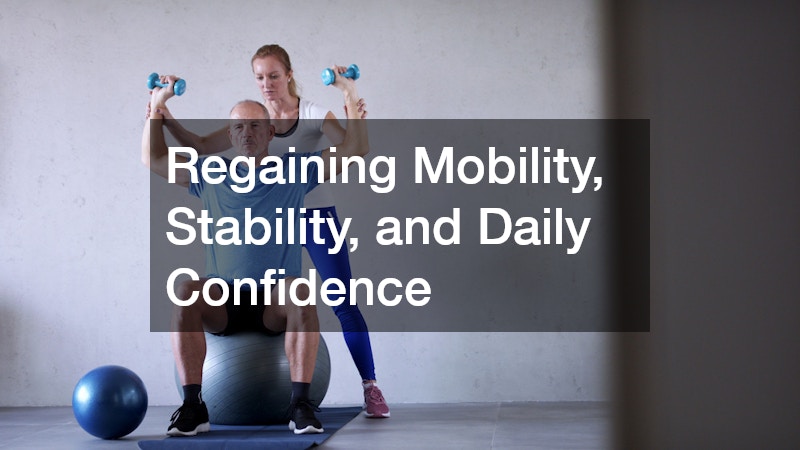
Regaining mobility and stability is essential for individuals seeking to restore their independence and confidence post-recovery. Local physical therapy rehabs are instrumental in guiding patients through personalized regimens that enhance flexibility, strength, and coordination. Therapeutic exercises are meticulously designed to address individual limitations and stimulate gradual physical improvements.
Functional mobility grows as individuals engage consistently in tailored therapies. Therapists employ various techniques, including balance training and manual therapy, to address specific mobility impairments. Clients learn to navigate daily activities with greater ease, progressively building the stability required for effortless movement.
As patients progress through their rehabilitation programs, tangible improvements in movement also translate to enhanced psychological well-being. Along with physical advancements, individuals experience a boost in self-esteem and motivation, pivotal to cultivating long-term adherence, and success. Consequently, these rehabilitative efforts pave the way for a full, dynamic lifestyle filled with potential.
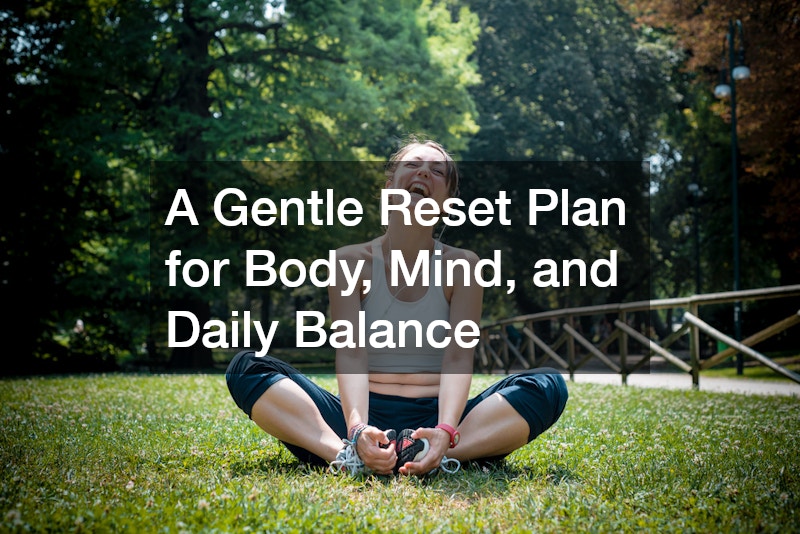
Using Gentle Movement to Calm the Body and Mind
Restoring Oral Health as Part of Whole-Body Wellness
Maintaining oral health is an often-overlooked component of holistic wellness, yet it plays a vital role in overall health recovery. Restorative dentistry addresses the repair of damaged teeth, contributing to a healthier mouth and preventing further complications. By focusing on restorative treatments, individuals can experience improved function, aesthetics, and confidence in their smiles.
Oral health is closely interconnected with general health, influencing everything from cardiovascular function to digestion. Neglecting dental care during recovery can lead to additional health challenges, making dentistry a crucial aspect of comprehensive wellness. With the support of skilled professionals, patients can implement preventative and corrective measures ensuring long-term oral health.
Committing to regular dental check-ups and oral hygiene practices amplifies the benefits of restorative treatments. By establishing a routine that includes effective brushing, flossing, and dietary adjustments, individuals can protect their oral health for years to come. These efforts seamlessly integrate with broader health strategies, promoting whole-body revitalization that is both empowering and sustainable.

Adapting to Physical Changes With the Right Support
Adapting to physical changes with resilience requires foresight, courage, and the right support systems. Prosthetic feet services are specialized offerings that help individuals regain mobility and confidence following limb loss or impairment. Tailored solutions and expert guidance are critical for maximizing the functionality and comfort of prosthetic devices.
Choosing the right prosthetic components ensures alignment with an individual’s lifestyle and goals, enhancing their quality of life. With advancements in design and technology, patients are meeting heightened expectations, promoting both independence and active engagement. The collaborative approach between prosthetists and patients fosters a personalized experience that transcends the adaptation period.
Moreover, support systems extend beyond the provision of prosthetics. Emotional encouragement, education, and access to peer communities play invaluable roles in long-term success. Regular follow-up care allows adjustments as the body changes, preventing discomfort and improving performance. By addressing both the physical and psychological aspects of adaptation, comprehensive care empowers individuals to rebuild confidence, maintain autonomy, and move forward with renewed strength and purpose as they embrace daily life.
Rebuilding Lung Strength Through Guided Therapy
Rebuilding lung strength is imperative for recovering from respiratory complications and achieving enhanced pulmonary function. Tailored pulmonary rehab therapy focuses on exercises and education that enable individuals to optimize their breathing capacity. This structured approach facilitates lung expansion, promotes oxygen exchange, and supports overall respiratory health.
Participants in pulmonary rehabilitation benefit from a multidisciplinary team approach, receiving guidance from healthcare professionals to meet personalized recovery goals. The integration of aerobic exercises, breathing retraining, and lifestyle adjustments ensures comprehensive rehabilitation. Engaging regularly in these practices enhances pulmonary capabilities, bolstering resilience against potential setbacks.
Furthermore, the encouragement of lifestyle modifications enhances the effectiveness of pulmonary therapy. Strategies such as smoking cessation, healthy nutrition, and consistent physical activity amplify recovery, providing a foundation for ongoing lung health. Patients committed to these modifications experience substantial improvements in lung efficiency, paving the way for a more active and fulfilling life.
Changing Environments to Support Mental Reset
In times of recovery, switching environments can significantly benefit individuals seeking a mental reset and renewal. The temporary reprieve offered by airbnbs provides a change from the mundane, infusing freshness into the recovery process. By choosing nurturing surroundings, individuals can detach from stressors and refocus on healing in a restorative setting.
Access to a new location encourages introspection and relaxation, serving as a catalyst for alternative perspectives and creative thinking. Environments enriched with natural beauty or engaging activities foster a sense of peace and inspiration that invigorates the mind. These transient experiences encourage a renewed outlook, rekindling motivation and mental resilience.
Additionally, the tailored comfort offered by personalized accommodation enhances the experience, making it easy to embrace the moment. Quiet mornings, unstructured time, and a slower pace allow the nervous system to decompress, supporting emotional balance. Through thoughtful selection and planning, temporary stays integrate seamlessly into recovery strategies. When approached with intention rather than distraction, this mindful environmental adjustment becomes a supportive force—cultivating clarity, emotional regeneration, and a deeper sense of presence that is indispensable to holistic recovery.

Creating Visual Calm in Your Everyday Space
Creating a serene atmosphere within everyday spaces is a fundamental aspect of fostering emotional well-being and mental clarity. Local photographic prints serve as a soothing addition, transforming interiors into restful sanctuaries. These visual elements seamlessly meld with design aesthetics, establishing a harmonious ambiance conducive to relaxation.
Art and photographs hold the power to evoke memories and emotions, influencing the mood and energy of spaces. Strategically placing artwork that resonates personally can elicit feelings of joy and contentment, enriching the recovery environment. The presence of calming visuals supports mental relaxation, functioning as an extension of a nurturing healing space.
Moreover, the act of curating a personalized collection of imagery fosters creativity and empowerment as individuals express their unique tastes. This conscious process underscores the therapeutic potential of visuals, reinforcing individuality and self-awareness. As part of a comprehensive healing journey, such environments become safe havens where the body and mind can thrive in harmony.
Recovery, in its many forms, encompasses a wide array of emotional, physical, and mental transformations. From embracing thoughtful nutrition and restorative exercises to harnessing supportive therapeutic approaches, each facet plays a pivotal role in cultivating resilience and long-term well-being. True healing rarely occurs in isolation; it unfolds through a combination of intentional actions, compassionate self-awareness, and the willingness to seek guidance when needed.
Equally important is the role of environment in the recovery process. The spaces we inhabit, the routines we follow, and the sensory inputs we are exposed to can either support or hinder progress. By making mindful adjustments—such as prioritizing rest, reducing unnecessary stressors, and surrounding ourselves with calming influences—we create conditions that allow the body and mind to recover more fully. These subtle shifts often lead to meaningful improvements in energy, clarity, and emotional stability.
It’s also essential to recognize that recovery is not about returning to a previous version of oneself, but about moving forward with greater insight and adaptability. Setbacks may occur, but they do not negate progress. With patience, consistency, and self-compassion, individuals can build a personalized path toward balance—one that supports continued growth, confidence, and a renewed sense of purpose in everyday life.